At Tabiya, we are convinced that writing clear and concise tests is vital for the maintainability and scalability of our
codebase. Here, we’ll explain the rules we follow to enhance the readability of our Behavior-Driven-Development (BDD)
tests. We follow a simple yet effective pattern and maintain consistent formatting to ensure our tests read like natural
sentences. This approach makes them easily understandable for both developers and stakeholders. Let’s dive in!
Introducing the key words “INITIALLY”, “EVENTUALLY” and “ONCE” can provide a more flexible approach, to prioritize requirements based on the development stage of a project.
Software development guidelines provide non-specific advice on rules and principles for processes like testing, team organization, and technology choices. Unlike guides or tutorials, they focus on overarching goals rather than step-by-step instructions. Good guidelines are clear, relevant, lean, and up-to-date, offering direction while setting boundaries. They should be trusted resources that align with the team’s needs and organizational priorities.
This article is about a very important question today’s innovators face when they develop new software products. The question is: “What are the appropriate technical skills, technology stack and architecture for the new product?” This question is very hard to answer because, very often, it is not clear what features a product should have. Sometimes, it is not even clear what problem the company is trying to… Read more: Technology Dilemmas from Startup to Scaleup
Delegation is very important to managers and their teams for multiple reasons: • As workload increases it is necessary to divide work.• The manager may not always have the right skills to accomplish a task.• The manager skills may be more useful for other tasks.• To empower teams, by giving them authority.• To promote a team culture of self-organization.• So that teams can take ownership and responsibility of their… Read more: How to successfully delegate
Herbie Hancock’s story of Miles Davis turning a mistake into music teaches a key leadership lesson: create a safe environment where mistakes are opportunities. By fostering empathy, transparency, and a focus on solutions, teams can learn, grow, and innovate without fear.
How can data cubes (multidimensional data models) be used in the context of Business Process Management (BPM) to support management efforts in understanding, planning and improving business processes? Traditional approaches define a customized multidimensional data model for analyzing operational data. The proposed approach is to define a standardized multidimensional data model for analyzing data that can be applied to any business process model. This approach is novel… Read more: Business Process Data Mining
 At Tabiya, we are convinced that writing clear and concise tests is vital for the maintainability and scalability of our codebase. Here, we’ll explain the rules we follow to enhance the readability of our Behavior-Driven-Development (BDD) tests. We follow a simple yet effective pattern and maintain consistent formatting to ensure our tests read like natural sentences. This approach makes them easily understandable for both developers and stakeholders. Let’s dive in!
 Introducing the key words “INITIALLY”, “EVENTUALLY” and “ONCE” can provide a more flexible approach, to prioritize requirements based on the development stage of a project.
 Software development guidelines provide non-specific advice on rules and principles for processes like testing, team organization, and technology choices. Unlike guides or tutorials, they focus on overarching goals rather than step-by-step instructions. Good guidelines are clear, relevant, lean, and up-to-date, offering direction while setting boundaries. They should be trusted resources that align with the team’s needs and organizational priorities.
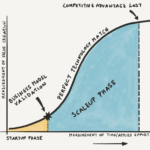 This article is about a very important question today’s innovators face when they develop new software products. The question is: “What are the appropriate technical skills, technology stack and architecture for the new product?” This question is very hard to answer because, very often, it is not clear what features a product should have. Sometimes, it is not even clear what problem the company is trying to… Read more: Technology Dilemmas from Startup to Scaleup
 Delegation is very important to managers and their teams for multiple reasons: • As workload increases it is necessary to divide work.• The manager may not always have the right skills to accomplish a task.• The manager skills may be more useful for other tasks.• To empower teams, by giving them authority.• To promote a team culture of self-organization.• So that teams can take ownership and responsibility of their… Read more: How to successfully delegate
 Herbie Hancock’s story of Miles Davis turning a mistake into music teaches a key leadership lesson: create a safe environment where mistakes are opportunities. By fostering empathy, transparency, and a focus on solutions, teams can learn, grow, and innovate without fear.
 How can data cubes (multidimensional data models) be used in the context of Business Process Management (BPM) to support management efforts in understanding, planning and improving business processes? Traditional approaches define a customized multidimensional data model for analyzing operational data. The proposed approach is to define a standardized multidimensional data model for analyzing data that can be applied to any business process model. This approach is novel… Read more: Business Process Data Mining